When you start looking for a venue, a caterer, or a dress, you quickly find yourself with a dozen tabs open and just as many contradictory lists. The real challenge of a wedding in 2026 is not the lack of inspiration, but the coordination between providers, formats, and rapidly evolving desires. This article reviews the wedding trends that are significantly changing the preparation for the big day.
Multi-day weddings: what it means for logistics
The idea of a wedding lasting an entire weekend is no longer reserved for very large budgets. The Hyatt Vows & Venues study, published in September 2026 with 2,000 French participants, confirms that the two-day format is clearly on the rise, with the next-day brunch becoming a significant event in its own right.
In practical terms, this changes several factors. On-site or nearby accommodation is needed for some guests. The venue must allow for extended occupancy, which automatically rules out venues rented by the day. Additionally, the catering budget almost doubles if you add breakfast and brunch.
The transport aspect is often underestimated. Feedback varies on this point, but organizing shuttles or centralizing accommodation reduces both guest stress and the event’s carbon footprint. In fact, the logistics of transportation often weigh more heavily on the environmental front than the decoration itself.
By browsing the news on MB Mariage, you can quickly spot which providers now offer complete weekend packages, including accommodation and catering.
Heritage venues and boutique hotels: why they are taking over
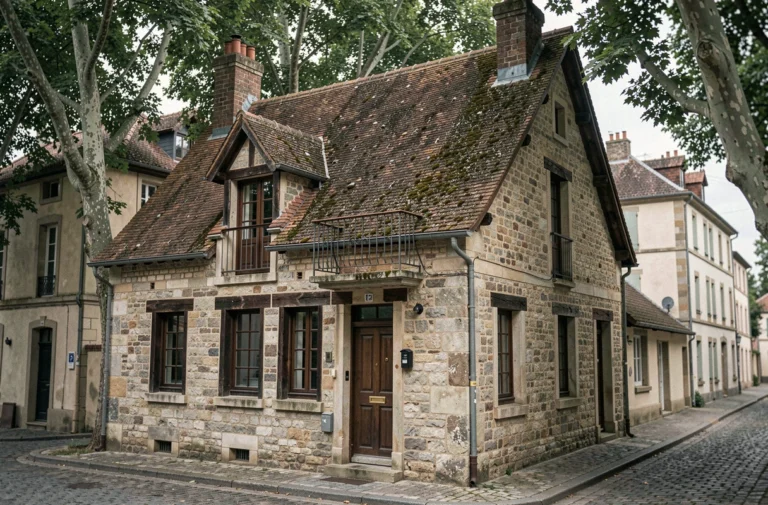
Traditional reception halls are losing ground. The Hyatt Vows & Venues study notes a clear shift in demand towards heritage venues and boutique hotels. Couples are looking for a setting that tells a story, not a multipurpose room that needs to be completely dressed up.
A castle, a vineyard, or a charming small hotel offers a backdrop that is already in place. You save on heavy scenography (drapes, structures, architectural lighting) and instead invest in targeted details: a floral arrangement, highlighting an existing element.
Criteria that really matter in choosing a venue
- The on-site accommodation capacity, especially if the wedding spans two days. A venue without rooms requires managing a separate transport plan.
- Scheduling flexibility: some estates impose a strict end time, which directly conflicts with a prolonged festive format.
- Exclusivity of the site for the weekend. Sharing a venue with another event on the same day complicates coordination and disrupts the atmosphere.
- The presence of a local contact (manager, caretaker) who knows the technical constraints of the building.
Choosing an atypical venue also requires checking access for providers: a caterer needs a compliant kitchen or at least a covered space with water and electricity supply.
Reducing the guest list to enhance the experience
The trend to reduce the number of guests to invest more per person is confirmed. The focus shifts from a large family gathering to a more intimate celebration with those truly involved in the couple’s life.
In practice, a more intimate wedding allows for options that are inaccessible on a larger scale. A gourmet menu served at the table instead of a buffet. Wines chosen by the couple rather than a generic cuvée. Shared accommodation in the same estate instead of dispersing to nearby hotels.

This choice also has a direct effect on coordination. Fewer guests mean fewer dietary restrictions to manage, fewer tables to arrange, and less logistical tension. The quality of each shared moment increases when you don’t have to manage a crowd.
Attire and decoration: what is changing in 2026
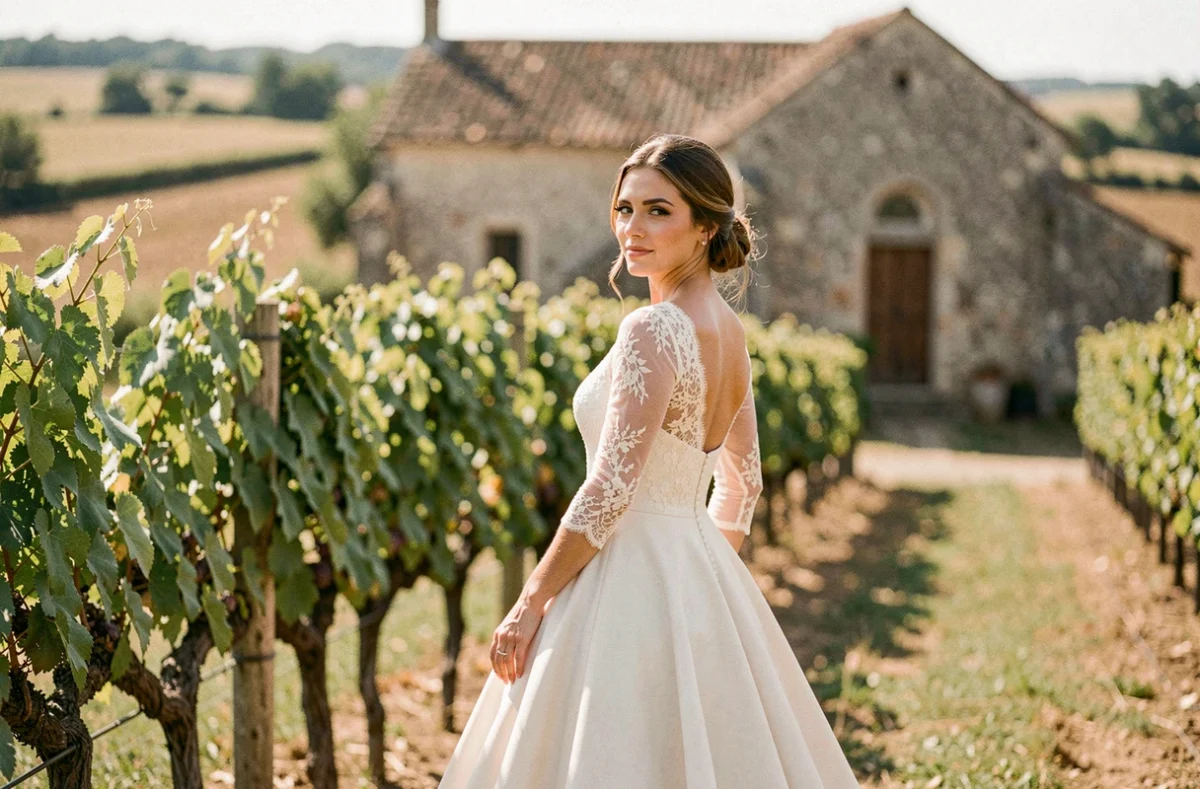
In terms of wedding dresses, silhouettes are becoming simpler. We see more streamlined cuts, fluid fabrics, and a return to comfort of movement. Highly structured or overly detailed dresses are giving way to models that can truly be worn all day (and all evening).
Decoration: less volume, more coherence
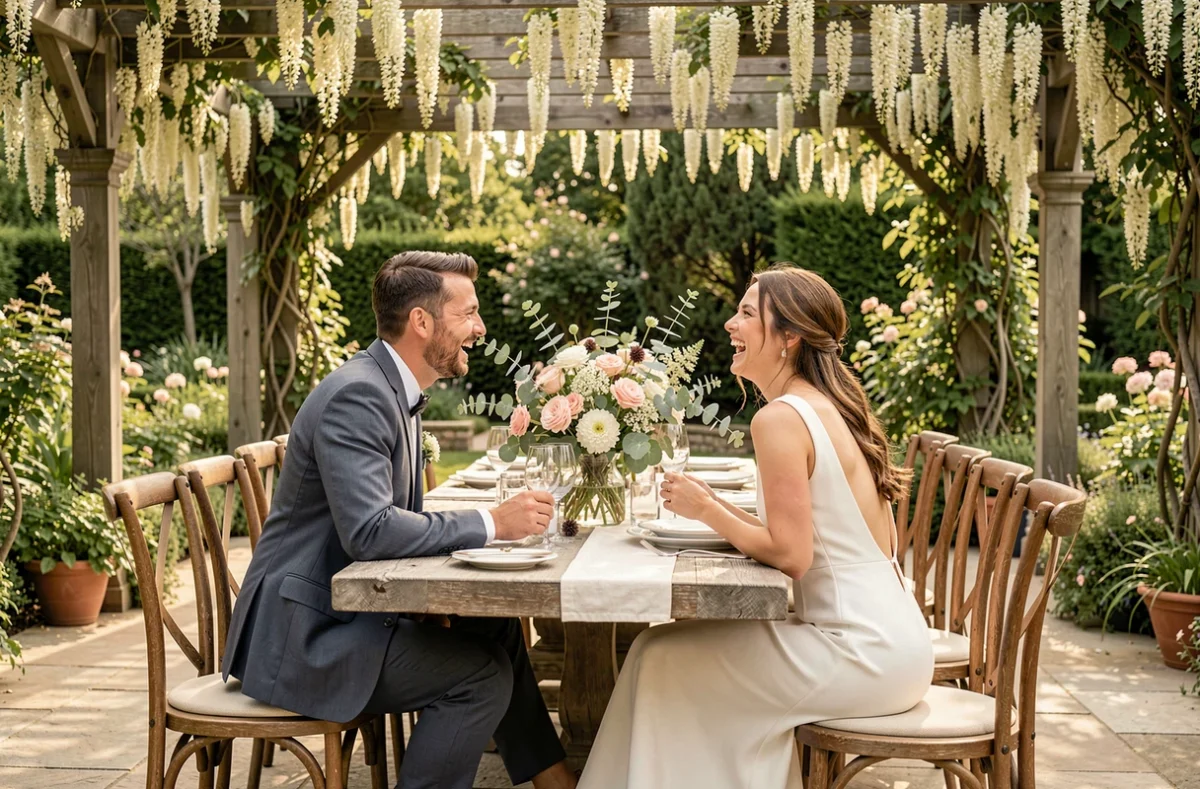
Decorative minimalism is on the rise, but not in its cold and stripped-down version. We are talking about a strong visual coherence with few elements: a limited color palette, a unique botanical motif repeated on tables and the arch, natural materials like linen or raw ceramics.
Rococo decorations and flower accumulations are still present, but they coexist with a more restrained aesthetic. The choice largely depends on the venue: a contemporary boutique hotel calls for discreet decoration, while an 18th-century castle can tolerate a more elaborate style without falling into excess.
Coordination of providers: the real issue of preparation
A wedding typically involves a large number of stakeholders: photographer, caterer, florist, DJ or band, officiant for the civil ceremony, furniture rental, sometimes a wedding planner. The coordination between these providers is the main friction point, far more than the choice of a theme or color palette.
Two options emerge. Either you delegate this coordination to a wedding planner, whose fees vary depending on the level of involvement (day-of only or full organization). Or you handle it yourself, with a detailed timeline and a single contact person on the venue side.
In both cases, we recommend locking in key providers (venue, caterer, photographer) at least nine months in advance. The slots for the most sought-after venues can sometimes be booked more than a year before the date.
The wedding in 2026 is less built around a Pinterest theme than around concrete decisions: duration of the event, size of the guest list, type of venue, level of delegation. It is these structural choices, made early, that determine the quality of the experience for both the couple and the guests.