
A recognized diploma does not guarantee inspiring projects or a stable career in this sector. Employers often prioritize agility and the ability to evolve over a linear career path. Networking and specialization remain the main drivers of professional integration. The skills sought evolve with trends and client expectations. Access to opportunities depends less on raw talent than on mastery of digital tools, project management, and in-depth knowledge of materials. Short training programs and practical workshops are gaining ground against traditional curricula.
Space design, a profession that combines creative boldness and technical requirements
Excelling in space design means balancing inventiveness and rigor. Designing a memorable space is no longer just about visuals: it must address much more specific challenges. The interior architect and designer weave the link between atmosphere, functionality, and regulatory constraints, while juggling acoustics, circulation, and volume optimization. A constant balance that enriches the profession.
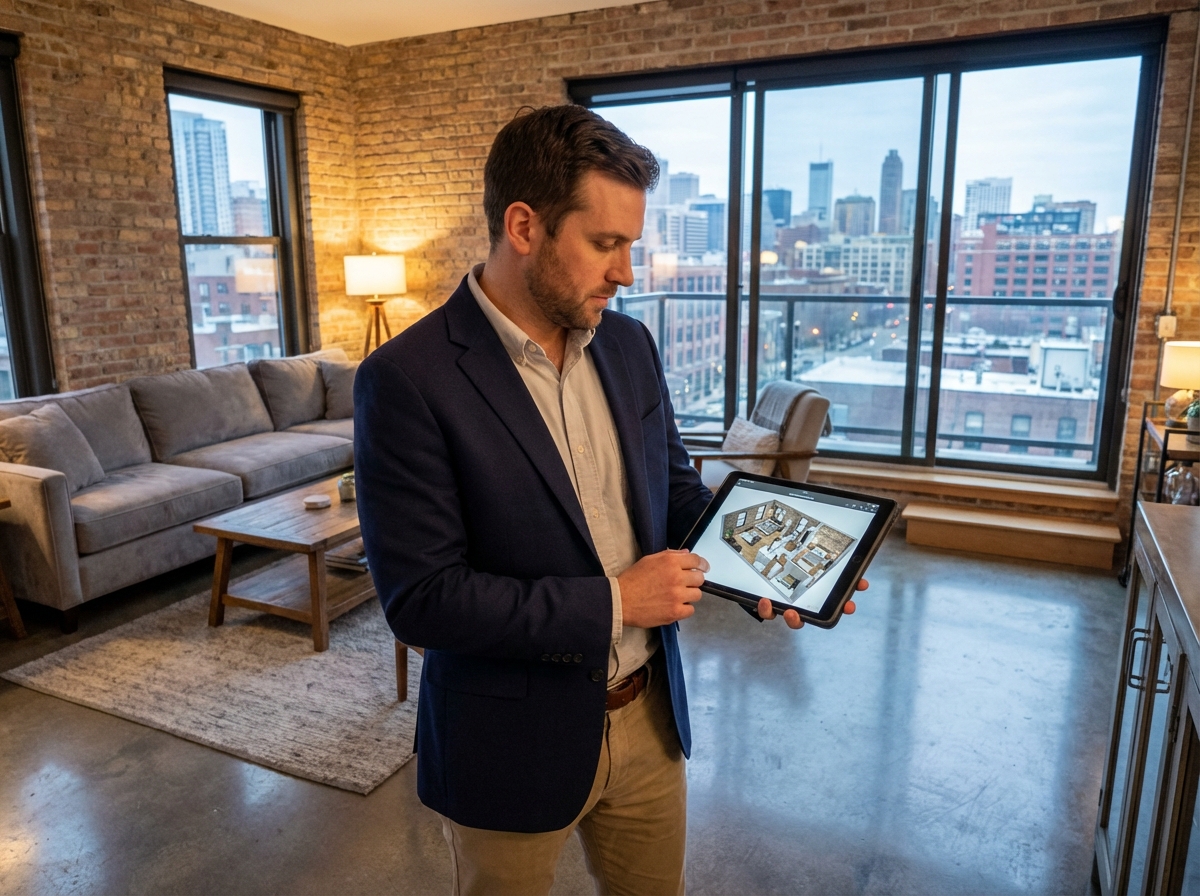
With each project, every step counts. Project management quickly becomes essential: overseeing the construction site, liaising with various stakeholders, choosing materials suitable for each use. Digital tools, from computer-aided design to 3D, disrupt the way spaces are conceived and presented: there’s no escaping it for those who want to move forward.
The profession is evolving rapidly, driven by ever-higher standards. To lay solid foundations, nothing beats a interior architecture training. It provides access to techniques and an understanding of the sector’s needs, and allows for the establishment of an initial professional network. Choosing a BTS in space design or aiming for a certified title opens the door to a variety of missions aligned with contemporary trends.
In this sector, everything is fluid. Exploring, testing new concepts, reworking light, or challenging conventions—this is what shapes the future of space design, much more than a linear path.
Key steps to start and advance in interior design
Launching into interior design requires method. The first step is training. A specialized curriculum builds technical foundations, fluency with industry software, and provides the legitimacy sought by recruiters. Obtaining a diploma in interior architecture or as an interior decorator remains a solid passport to secure initial projects.
What also matters is building a strong portfolio. Gathering personal achievements, training work, and initial concrete missions provides a clear perspective on the ability to manage large-scale projects, whether residential, commercial, or hospitality. Plans, perspective views, before/after photos: each element weighs in the evaluation of a profile by a potential client or employer.
To advance, certain levers are essential:
- Alternating different projects to expand one’s range of skills.
- Taking charge of project management from conception to delivery, to fully understand all aspects of the profession.
- Keeping one’s network active: it is through collaborations and discussions that practices and creativity are refined.
The transition to space design attracts many professionals from architecture, decoration, or even construction management. This renewal brings a different energy, and in such a dynamic environment, staying open to change multiplies career opportunities.
What resources and training to boost your trajectory right now?
Continuing education shapes the journey of every space design professional. Degree programs in interior architecture, specific certifications, and practical workshops are becoming established: they respond to the new needs of the field, from project management to mastering cutting-edge software or creating custom spaces. Between BTS in space design and specializations in design innovation, the sector offers a range of options to align with the realities of the profession.
Working on visibility quickly becomes essential. Taking care of the presentation of one’s portfolio on a professional website, developing an effective LinkedIn profile, sharing projects on Instagram or Pinterest: these showcases attract the attention of recruiters as well as clients. Participating in blogs, attending conferences, or following webinars also helps keep a keen eye on trends in the design world.
Some choices significantly accelerate progress:
- Obtaining recognized certifications that attest to expertise in interior design.
- Confronting real industry standards by participating in competitions or exhibitions.
- Loyalty and enriching one’s network by maintaining relationships with architects, decorators, and other project management experts.
A certification in project management or mastery of digital tools enhances the credibility of a career path and adds real value to a CV. Staying curious, testing new concepts, and being open to sector developments: space design is built and reinvented every day, at the intersection of technique and inspiration. The next memorable space may just be waiting for a spark: yours.