A clay soil that cracks as early as June, rose bushes treated with soapy water due to the lack of authorized products, a rainwater collector already empty by July: this is the daily reality for many gardeners in 2024. Succeeding in your garden this year means first dealing with climatic and regulatory constraints that change the game on the ground. The recipes from five years ago no longer quite work.
Dry soil and water restrictions: rethink garden layout from the source
We often start by looking for the right watering solution, while the problem lies upstream, right from the design of the flower beds. Grouping plants according to their water needs is the foundation of a layout that holds up without constant supervision.
A bed of lavenders, sages, and sedums placed in full sun does not have the same requirements as a hydrangea bed against a north wall. Mixing the two forces you to water everyone at the pace of the hungriest, which leads to wasting water on plants that don’t need it.
The thick mulch applied from spring dramatically reduces evaporation. Chipped branches, hemp straw, dead leaves: cover the bare soil with at least five centimeters. A few generous but spaced waterings are better than daily superficial passes that encourage surface rooting.
To follow the recent articles on Conseil Jardinage, this principle is regularly applied to concrete cases of vegetable gardens and terraces.
Rainwater harvesting: size before buying
A 300-liter collector empties in two waterings of the vegetable garden during hot weather. Before investing, calculate the roof area collected and the useful storage volume. Feedback varies on this point, but below 500 liters of total capacity, autonomy remains very limited for an average-sized garden.
Vegetable garden and beds without pesticides: design rather than treat
Since January 2019, individuals can only purchase products labeled “authorized for use in gardens.” In practice, the corresponding active substances accounted for only 1.5% of sales in France in 2023, down from 11.1% in 2009. We have very little left in the chemical arsenal.
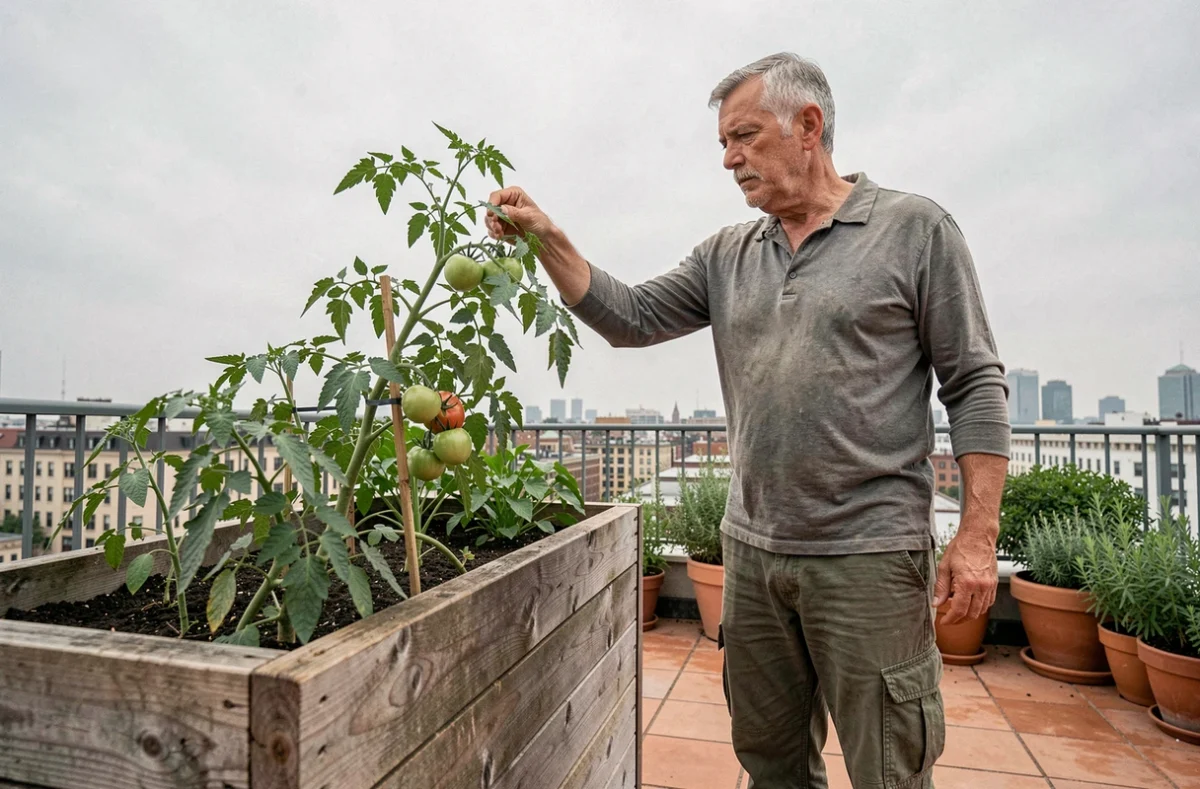
Plant diversity replaces curative treatment. A vegetable garden that alternates tomatoes, basil, marigolds, and nasturtiums creates an environment unfavorable to pests. Beneficial insects (ladybugs, hoverflies, lacewings) naturally settle when provided with refuge areas: wood piles, flowering strips, wild hedges.
- Systematically pair an aromatic plant with each row of vegetables to disrupt pests with their scents.
- Leave a corner of the garden intentionally fallow (nettles, wild grasses) as a reservoir for beneficial insects.
- Monitor the leaves weekly instead of treating preventively: an early detected attack can be managed by hand or with a water jet.
This management style requires more observation than intervention. Replace the sprayer with a pair of pruners and a good sense of anticipation.
Biodiversity in the garden: moving from decoration to counting
In 2024, 63% of respondents stated they favored the return of biodiversity in their garden, terrace, or balcony. This figure rises to 87% if we include those who were considering it. The trend is clear, but there is a gap between good intentions and measurable results.
Counting the species present provides a concrete goal. The participatory science program Birds of Gardens or Spipoll (photographic monitoring of pollinating insects) allows you to document what actually lives in your space. This is a much more effective motivational lever than buying a decorative insect hotel that remains empty.
Local plants and species adapted to the climate
The choice of plants determines the fauna that settles. A buddleia attracts butterflies, but a black elder also feeds birds and pollinators at different times of the year.
Prioritize native species adapted to local soil: they require less watering, less maintenance, and host more insects than exotic cultivars. A garden planted with dogwoods, viburnums, and local grasses functions almost autonomously once established.
Terrace and small space layout: what changes in practice
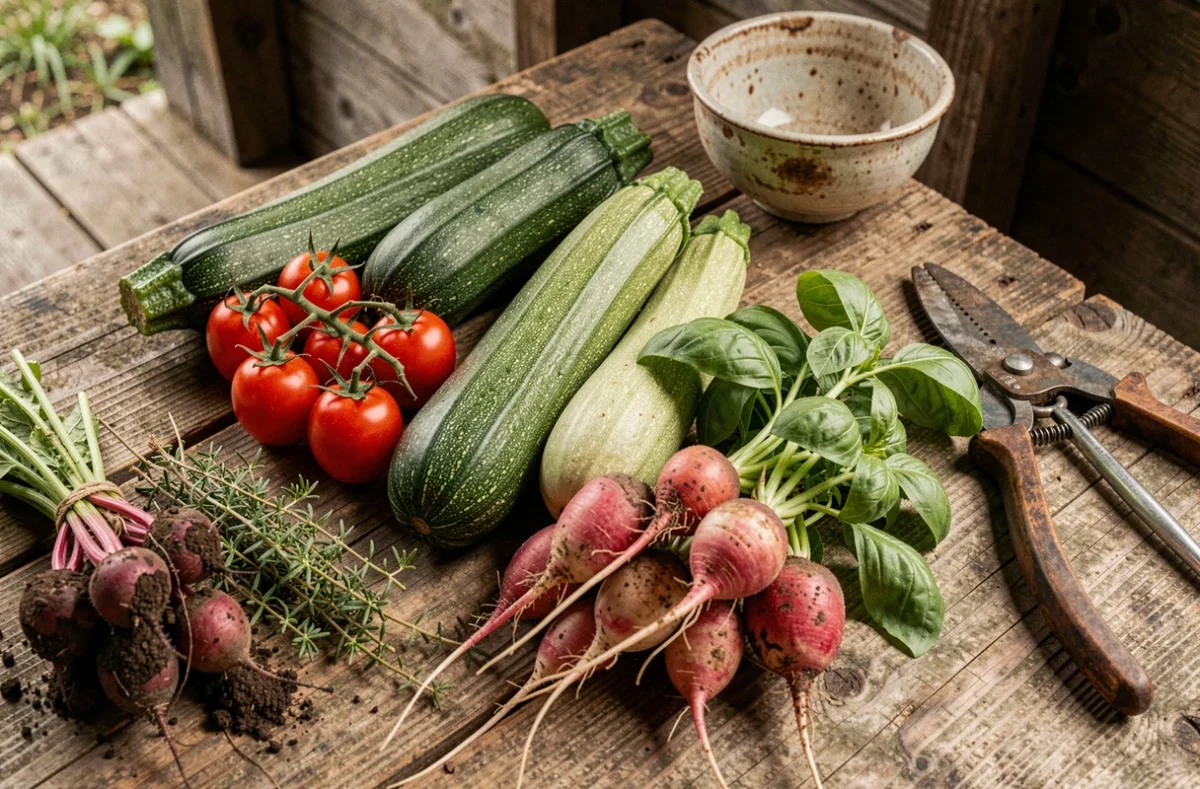
On a balcony or courtyard, water and weight constraints guide the choices. The substrate is heavy when saturated with water, and pots heat up quickly in summer.
- Opt for light-colored containers or thick terracotta, which heat less than black plastic.
- Use a draining substrate mixed with pumice to lighten and limit root rot.
- Group pots on a tray to centralize watering and collect excess.
Container gardening offers an often underestimated advantage: you can move plants according to seasonal sunlight. A west-facing terrace that bakes in July becomes bearable if you move fragile pots back against the wall.
Outdoor decoration and sustainable choices
Recycled materials (treated HT pallets, wooden crates, old zinc tubs) remain a coherent option for planters and borders. In terms of decor, the 2024 trend leans towards dark tones for structural elements (trellises, plant pots, fences), which highlight the foliage by contrast.
A well-designed outdoor space does not necessarily require a significant landscaping budget. The time spent observing your soil and light yields more than any impulsive purchase at the garden center.